Magnifica Humanitas & AI Policy
How the Pope’s Encyclical Letter is being implemented.


Those of us who care about AI governance, human rights, anti-monopoly, and digital rights find an unexpected ally in Pope Leo XIV. It’s slightly ironic that Magnifica Humanitas: On Safeguarding the Human Person In the Time of Artificial Intelligence was co-presented by Anthropic, but more on that below. The papal encyclical provides a clear-eyed assessment of the present state of tech and humanity, regardless of which religion we subscribe to.
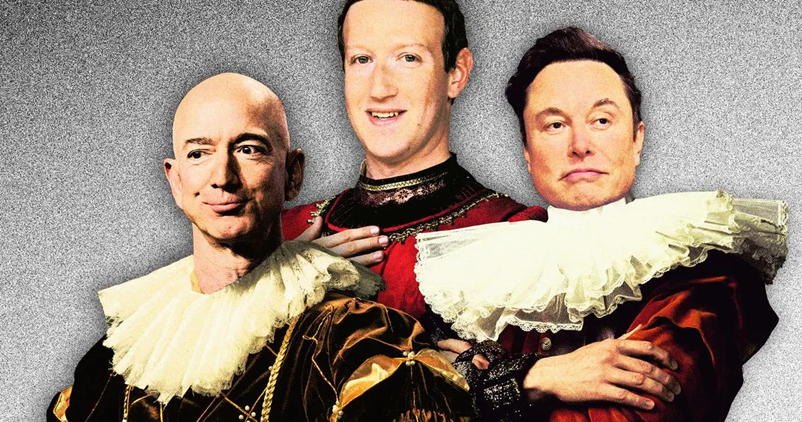
The truth is that our societies are governed on digital platforms to a large extent, and that these platforms are governed by American tech giants that prioritize financial growth over people’s well-being. Silicon Valley’s digital tech development has led to a boom in innovation, but also a gross concentration of power and wealth and an unhealthy internet which is locked down by a handful of private conglomerates.
As much as I commend the Pope’s message, there is no way to bargain with mad dogs. The tech giants are unable to self-regulate or to do the right thing out of a moral obligation to society. Silicon Valley has too much hubris to change its ways or to ever take an anti-technology stance to heart. A company like Anthropic famously speculates that its models are slightly conscious and have a religious relationship with them that is unchristian in nature.
Since Big Tech cannot adjust, governments have no choice but to force digital platforms and AI companies to act right through regulation and strict enforcement. Civil discourse matters, but less if it doesn’t lead to political action. David Sacks points out, that regulation gives sweeping powers to governments over AI development, but hey, in a democratic society that shouldn’t be a concern, right? I suppose there is a cultural difference here between Northern America and Northern Europe. In either case, regulation of AI and digital platforms is becoming less of a policy matter and more of a national security matter.
The polite “middle way” where EU regulators expect companies to act right and ask them to pay fines when they neglect their responsibilities is an endless cycle leading to nowhere. Fundamentally, Big Tech doesn’t care much for compliance paperwork or high-minded righteousness from EU bureaucrats. To regulate tech effectively, regulators have to get involved on a level of system-design, but that is strongly opposed by Washington and Silicon Valley. EU’s digital laws are increasingly interfering with digital platforms on this level, but enforcement is challenging, because it requires piercing through a veil of corporate opposition, lobbyism, and confusing signals. For better and for worse, the EU is a peace project that makes bureaucracy, not warfare. The EU is apt at building coherence and harmony among Member States, not to deal with evil forces from outside that threatens its existence.
Pope Leo XIV’s encyclical letter shines a light on the digital darkness we all try to navigate in. A space owned by a handful of American tech companies which operate with profits margins as a moral compass. Below the paywall, I will go over selected passages from the encyclical letter and explain how the Pope’s wisdom can (and should) be executed through concrete policies, moving a theological framework towards actionable steps.
In essence, we already have the regulatory tools and policy ideas needed to tackle the dark forces of tech and AI. We know what to do. The real issue is doing it. Regulators and politicians fear the repercussions, the childish anger of Trump, of tech billionaires and other rich pocket voters, and the bright light of God when we step outside the darkness of our digital caves.
Read also:
 Tobias Mark Jensen
 Tobias Mark Jensen
 Tobias Mark Jensen